Rustic Vintage Font for Handmade Brands
As a maker who prints labels, cuts vinyl, designs wedding invites, and sells printable planners on Etsy, I’ve learned that the right font isn’t just about looks—it’s about trust, texture, and telling your story before a single word is read. Rustic Vintage is one of those rare slab serif fonts that feels instantly familiar yet unmistakably yours. It’s bold without shouting, sturdy without stiffness, and authentically handmade in spirit—like letterpress ink pressed into kraft paper or hand-carved wood grain.
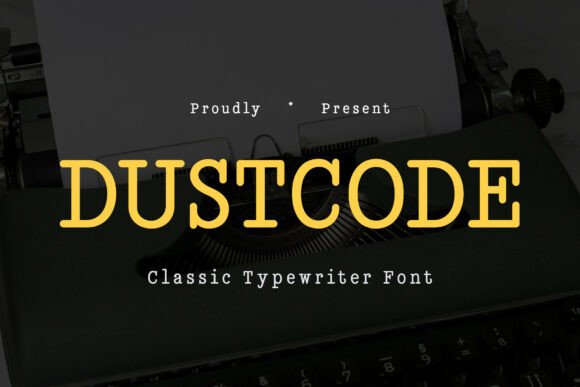
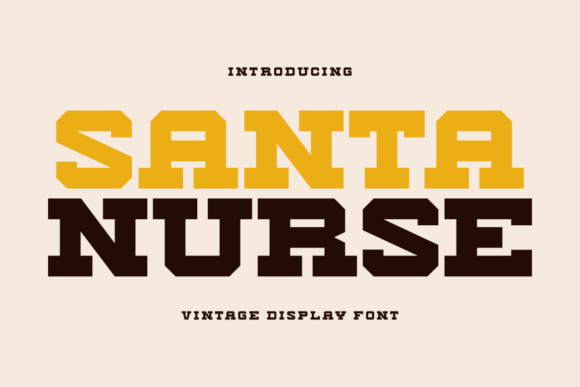
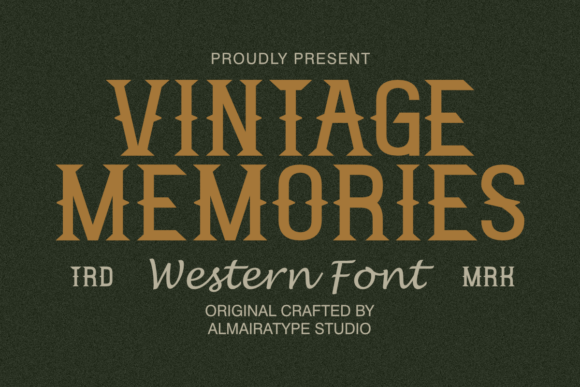
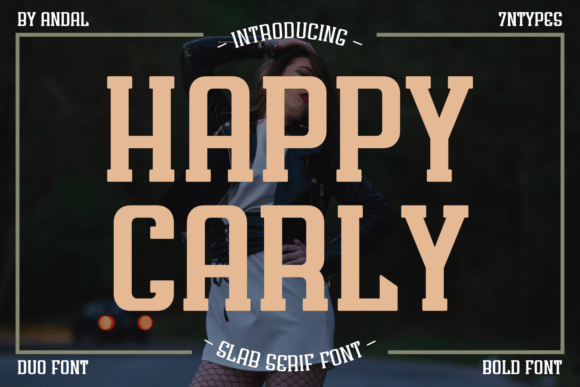
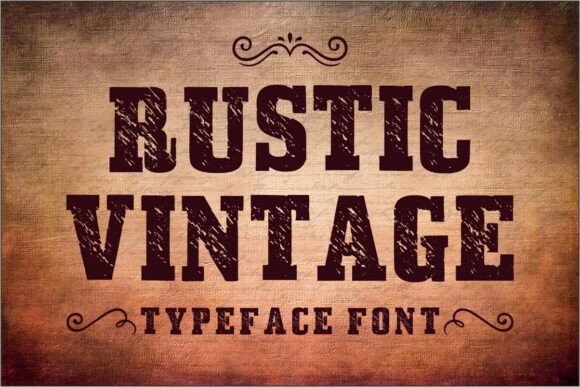
This isn’t a delicate script or a minimalist sans serif. Rustic Vintage is a display font built for presence: square-edged letterforms, strong vertical stress, and subtle irregularities that echo old-world craftsmanship and the open honesty of the American West. The serifs are blocky and grounded—not ornate, not fussy—giving every capital and lowercase letter a quiet confidence. That makes it perfect for physical products where legibility and character must coexist: think candle jars with soy wax and handwritten-style tags, farmhouse market signs, or vintage-inspired baby shower invitations printed on textured cardstock.
I use Rustic Vintage most often for short, high-impact text—product names, shop banners, greeting card headlines, and welcome boards at weddings. Its readability holds up beautifully even at 18pt on a 2” sticker or laser-cut wooden tag. On Cricut and Silhouette machines, the clean outlines cut cleanly without fraying, especially when using the OTF or TTF files (which Rustic Vintage includes). For small product labels—like spice jars or bath bomb wrappers—I pair it with a light-weight sans serif for ingredient lists or care instructions. That contrast keeps hierarchy clear and avoids visual fatigue.
It shines in seasonal craft work too. Last fall, I designed a set of printable pumpkin patch signage using Rustic Vintage for “Pick Your Own” and “Hayride Tickets”—the font’s warmth and weight made the digital files feel tactile, like something screen-printed on burlap. Over the holidays, I layered it over red-and-kraft SVG bundles for mug wraps and tote bag transfers. Customers consistently comment that the designs “feel like they belong in a local boutique,” not a mass-market print shop—and that perception starts with type choice.
Rustic Vintage works best as a headline or title font—not for body copy. Its personality is strong, so it’s ideal for names, slogans, and decorative phrases (“Est. 2019”, “Hand-Poured in Oregon”, “Gather & Grow”). For longer text blocks—like wedding ceremony programs or planner notes—I pair it thoughtfully: a relaxed script font for names or quotes, then Rustic Vintage for section headers, followed by a crisp, neutral sans serif (think Montserrat or Lato) for supporting details. That trio creates rhythm, warmth, and professionalism without sacrificing charm.
One thing I always check before buying any font for commercial use is licensing—and Rustic Vintage delivers clarity here. Its commercial license covers physical products (stickers, mugs, shirts), digital downloads (PDF printables, Canva templates), SVG files for cutting machines, and client work. That means you can embed it in your Canva invitation templates, include it in your Procreate brush pack, or use it to design a full wedding suite for a local couple—and keep full rights to sell and distribute. No hidden restrictions, no “personal use only” surprises.
It also includes stylistic alternates and ligatures—small but meaningful touches. The “&” symbol has a custom rustic flourish, and uppercase “A”, “R”, and “S” offer slightly more angular or softened versions depending on your layout needs. These aren’t gimmicks; they’re tools. I swapped in the alternate “R” for a rustic bakery’s logo and used the connected “fi” ligature on a holiday ornament SVG—it added polish without overcomplicating the file.
For packaging design, Rustic Vintage helps communicate quality and intention. A soap label set in this font reads “handcrafted” before the customer even flips it over. Same with boutique clothing tags, apothecary bottles, or artisan coffee bags—the font signals care, heritage, and substance. It doesn’t scream “trendy”; it whispers “timeless.” And in a crowded marketplace, that distinction builds recognition across your product line, social media graphics, and even your shop banner on Etsy or Shopify.
Readability in mockups matters just as much as in final output. When previewing Rustic Vintage in design software, I zoom to 100% and check how “B”, “8”, and “3” render—some slab serifs blur numerals at small sizes, but Rustic Vintage keeps them distinct. That’s critical for date stamps on planner pages or batch numbers on product labels. Likewise, its consistent x-height and spacing mean it aligns predictably in grids—whether you’re building a set of printable wall art or arranging SVG layers for heat transfer vinyl.
If you work with multilingual customers—even occasionally—know that Rustic Vintage supports extended Latin characters (including accented letters for Spanish, French, and German), which expands its usefulness for global shops or bilingual wedding stationery. You won’t need to swap fonts mid-design just to accommodate “café” or “naïve.”
Rustic Vintage fits naturally alongside other trusted design assets: a warm script for personalization, a clean sans for utility, and a solid slab serif like this one for authority and heart. It’s not flashy—but it’s faithful. It doesn’t chase algorithms or trends. It serves the maker, the message, and the material. Whether you’re printing on recycled paper, cutting adhesive vinyl, or designing a digital download bundle, Rustic Vintage gives your work a grounded, honest voice—one that customers recognize, remember, and return to.